Remote work is no longer just a temporary solution; it’s become a permanent fixture of modern working life. Across the UK and beyond, employees and employers are realising that flexible arrangements bring not just convenience, but also real improvements to productivity, wellbeing, and even sustainability. If you’re considering whether remote or hybrid working could work for you, here are the key remote work benefits you need to know about.
1. Better work-life balance
One of the biggest benefits of remote work is the improved work-life balance it offers. Cutting out long commutes frees up hours each week that can be spent with family, exercising, or just kicking back and resting body and mind. This extra time can make all the difference for parents juggling school runs, or anyone looking to slow down the pace of daily life.
Top Tip! Establish a routine with clear start and end times to keep work and home life balanced when working remotely.
NEXT READ: The ideal hybrid work schedule: How many days in the office really works?
2. Increased productivity
Many employees find they are more productive at home, away from the distractions of a busy office. Fewer interruptions mean more time for “deep work” – tasks that require focus and creativity. Employers benefit too as higher job satisfaction often leads to better performance.
Of course, productivity depends on setting up the right environment. A quiet workspace and strong digital tools (such as Teams, Slack, or project management platforms) can make a huge difference.
3. Reduced costs
Remote working also saves money for both employees and businesses. Employees spend less on:
- Train or petrol costs
- Lunches and coffees out
- Office clothing
Meanwhile, companies can save on office space, utilities, and facilities. Even a part-time remote model (such as hybrid working) leads to noticeable cost reductions.
NEXT READ: Remote vs hybrid work: What’s the difference and which is best for you?
4. Improved mental wellbeing
The flexibility of remote work can ease stress and boost overall wellbeing. For many, the ability to design their own workday makes a huge difference. They can fit in a lunchtime walk, work around childcare, or simply have a calmer morning.
That said, remote workers need to stay connected to avoid feelings of isolation. Regular check-ins, virtual socials, and occasional in-person days are vital.

5. Greater job opportunities
Remote work removes geographical barriers. Talented professionals are no longer limited to employers within commuting distance, and businesses gain access to a wider pool of candidates. This is particularly valuable for those living in rural areas or regions with fewer local job options.
For hybrid workers, this often means being able to live somewhere beautiful, such as the Cornish coast or a countryside market town, while still working for a company based in London.

6. Positive environmental impact
Fewer commutes mean fewer cars and trains on the road, helping to reduce emissions. Many companies are embracing hybrid and remote working as part of their sustainability commitments. Even a few days a week working from home can significantly lower an individual’s carbon footprint.
7. Customised work environments
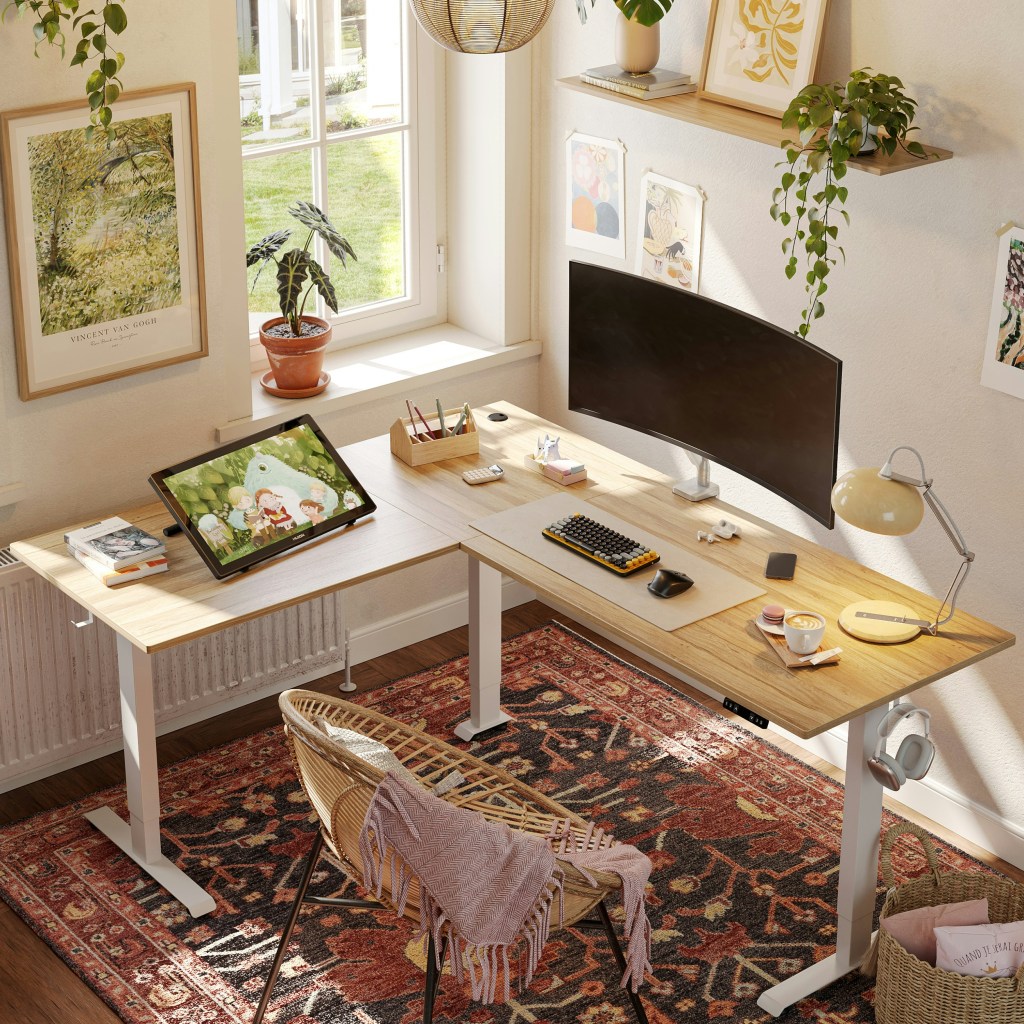
Remote work allows employees to create a workspace that truly suits them. Whether it’s a standing desk, working with music in the background, or a quieter setup with natural light, having control over your environment can improve comfort and efficiency.
What about the downsides?
Remote work isn’t perfect. Some people struggle with isolation, and others worry about career progression if they’re less visible to managers. That’s why many are embracing hybrid working, which combines the best of both worlds: a few days of in-person collaboration and a few days of focused remote work.
So, the benefits of remote work are clear: better work-life balance, higher productivity, cost savings, improved wellbeing, and more opportunities – and all while supporting a greener future. The most successful workers and businesses will be those that make flexible arrangements work for them, whether fully remote or in a hybrid model.



 The Hattie