Hybrid working has opened up the possibility of living further away from London, including places once thought too remote for a regular office job in the capital. Cornwall and Devon, with their stunning coastlines, rolling countryside, and slower pace of life, are increasingly attracting workers who only need to be in the office a couple of days a week. Super-commutes are on the rise, with workers taking on longer journeys into work on their office days to unlock a better lifestyle. But is it really worth travelling all the way from Cornwall or Devon to London for your hybrid job?
What is a super-commute?
A super-commute is generally defined as a journey of more than 90 minutes one way. London workers based in Cornwall or Devon would face a journey of up to five hours of travel each way, depending on the mode of transport. With hybrid working, however, you might decide that this journey can be made manageable by staying overnight. The lifestyle benefits of moving to these counties could also offset the long journey time.
Travel options from Devon and Cornwall for hybrid workers
If you’re considering a move west, here’s a breakdown of the main commuting options:
By Train
- Cornwall (e.g. Truro to London Paddington): Around 4 hours 20 minutes on the fastest direct services.
- Devon (e.g. Exeter to London Paddington): As quick as 2 hours 10 minutes on Great Western Railway.
- Pros: Comfortable, work-friendly, cuts out the parking hassle.
- Cons: Expensive. Advance singles from Exeter start around £40–£60, but last-minute fares can hit over £120.
By Plane
- Newquay to London Gatwick/Heathrow: Flight time is just over 1 hour, but add travel to/from airports and security checks, and the total is closer to 3–4 hours.
- Pros: Faster than the train from Cornwall in some cases.
- Cons: Less flexible, pricey, and more stressful for regular commuting. Also environmental factors to consider.
By Car
- Truro to Central London: Around 5–6 hours depending on traffic.
- Exeter to Central London: Roughly 3.5–4 hours.
- Pros: Flexible, can be made cheaper by car sharing.
- Cons: Tiring, unpredictable delays, possible parking costs in London.
NEXT READ: Yes! You can live by the sea and commute to London

Is it really worth it?
Lifestyle Benefits
- Living in Cornwall or Devon provides access to beaches, countryside walks, and a generally slower pace of life.
- Housing and rental prices are often more affordable than in commuter towns closer to London (though Cornwall hotspots like St Ives and Falmouth will be pricey!).
- Maximise the greater freedom offered by hybrid working by spending your evenings on the beach or enjoying a pint in a countryside pub rather than battling crowds on the tube.
Financial Trade-Offs - Super-commuting isn’t cheap. A season ticket from Exeter to London costs over £10,000 per year, although flexi-season tickets are becoming popular for hybrid workers who only need 2–3 days a week in the office.
- Factor in occasional overnight stays if you miss a late train, plus food and coffee costs on long journeys.
Time Investment
- Even with just 1–2 office days, a super-commute can eat into your week. A 4-hour one-way trip means 8+ hours of commuting per day — almost a full extra workday.
- Some hybrid workers treat train time as “quiet work time” and use it to catch up on emails, read reports, or to unwind with a podcast.
NEXT READ: The best UK destinations for remote workers in 2025
Who might be best suited to a super-commute?
Super-commuting from Cornwall and Devon isn’t for everyone. It tends to suit:
- Senior professionals who can negotiate fewer in-office days.
- Remote-first roles that only require occasional in-person collaboration.
- Families and lifestyle seekers who prioritise quality of life and are willing to absorb the travel costs.
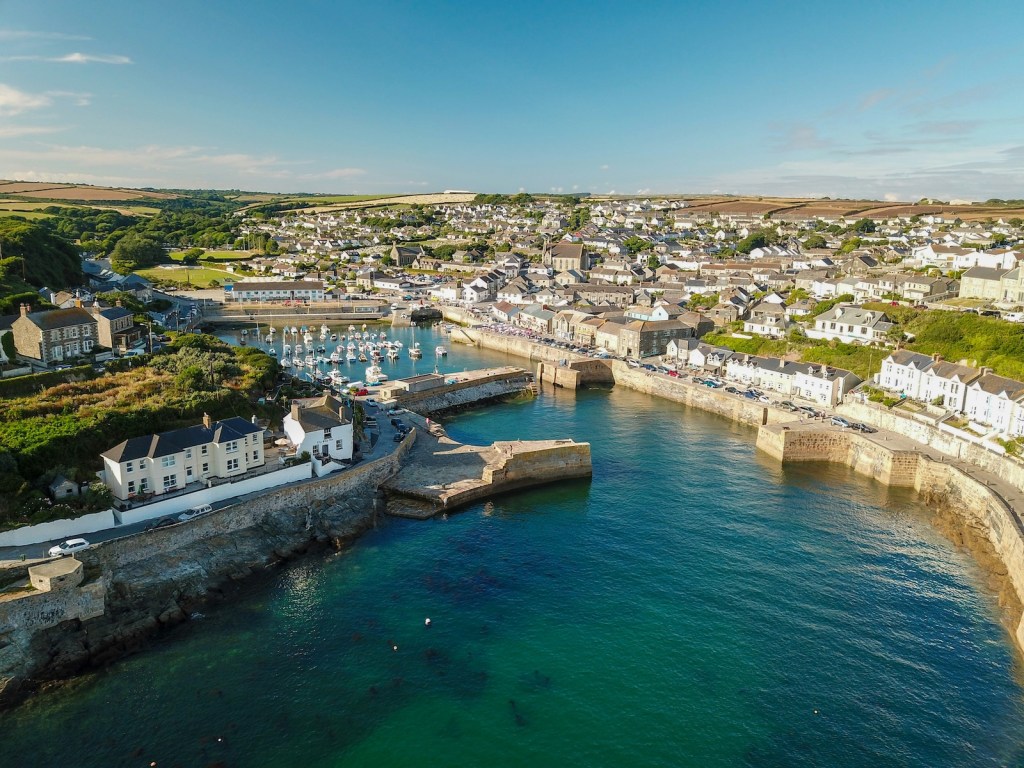
So, is a super-commute from Cornwall or Devon to London worth it? For many hybrid workers, the answer is yes, as long as it’s balanced with flexible office expectations, smart ticketing, and a realistic view of time spent travelling.
While the journey is long, the trade-off is waking up by the sea, spending weekends on the coast or in a national park, and living life on your own terms.



 The Hattie