The Cotswolds is known for its rolling hills, picturesque villages, and charming market towns. The appeal is obvious. But can you really live there and still commute to London?
For those with a hybrid working model, the idea of swapping city life for the Cotswolds’ peaceful countryside is more appealing than ever. But is it practical?
Is a Cotswolds-to-London commute feasible?
If you need to be in the London office five days a week, the Cotswolds may be a step too far. However, for hybrid workers who only need to commute once or twice a week, it’s much more manageable. The key is choosing the right location. Find somewhere near a fast train route and with good road access to major transport hubs.
Train commute times from the Cotswolds to London
The Cotswolds has strong rail connections to London, particularly via the Great Western Railway (GWR) services into London Paddington. Some of the best commuting towns include:
- Moreton-in-Marsh to London Paddington – 1 hour 30 minutes
- Kingham to London Paddington – 1 hour 25 minutes
- Cheltenham to London Paddington – 2 hours
- Stroud to London Paddington – 1 hour 30 minutes
- Kemble to London Paddington – 1 hour 20 minutes
A season ticket from Moreton-in-Marsh to London costs around £9,000–£10,000 per year, but hybrid workers who travel just once or twice a week can save money by booking advance tickets or using flexible season tickets.
Driving and park-and-ride options
Driving to London from the Cotswolds isn’t practical for daily commuting, but many people drive to a nearby rail station with better transport links. Oxford Parkway (just outside Oxford) offers fast trains into London, and Swindon is another good alternative for those on the southern edge of the Cotswolds.
NEXT READ: Can you live in Cornwall and commute to London?
How do house prices compare: The Cotswolds vs London
The Cotswolds isn’t cheap, but it still offers better value than London, especially for those looking for larger homes and gardens.
- London average house price: £530,000+
- Cotswolds average house price: £450,000+
- Moreton-in-Marsh average house price: £425,000
- Kingham average house price: £650,000
- Stroud average house price: £370,000
While some of the more exclusive Cotswold towns and villages such as Chipping Norton, Burford, and Stow-on-the-Wold have house prices well above the UK average, you can still find more affordable options in market towns like Stroud, Cirencester, and Tewkesbury.
Cost of living: How much can you save?
Compared to London, living in the Cotswolds can be more cost-effective, but it depends on your lifestyle. Here’s how expenses compare:
- Rent: A one-bedroom flat in central London averages £2,000+ per month, whereas in the Cotswolds, you can rent a similar property for £900–£1,200 per month.
- Food & Dining: Local farm shops and markets make fresh produce affordable, but dining out in premium gastropubs can be pricey.
- Transport: While train costs are high, they are often offset by lower housing costs. Fuel prices and car ownership expenses may increase due to more driving.
- Leisure & Lifestyle: Outdoor activities like hiking and cycling are free, and cultural activities like theatre and music are thriving in the region at a lower cost than in London.
NEXT READ: 6 surprisingly rural towns with a direct commuter train to London
What is the lifestyle like in the Cotswolds?
1. A slower, more relaxed pace of life
Life in the Cotswolds is quieter, with less congestion and cleaner air. Many people move here for a better work-life balance, away from the stress of city living.
2. Beautiful countryside and outdoor living
The Cotswolds is an Area of Outstanding Natural Beauty (AONB), offering rolling hills, charming walking trails, and endless opportunities for outdoor activities. Whether you love hiking, cycling, or simply enjoying village life, the region has it all.
3. Excellent schools and family-friendly living
The Cotswolds is a great place to raise a family, with top-rated schools and a safe, welcoming environment. Areas like Cheltenham and Cirencester are particularly attractive to families due to their excellent schools and amenities.
4. A thriving food and arts scene
The Cotswolds is famous for gourmet pubs, farm-to-table restaurants, and artisan markets. Towns like Stroud and Chipping Norton also offer a vibrant arts and culture scene, with festivals, galleries, and live music events throughout the year.
Challenges of commuting from the Cotswolds
While the Cotswolds offers an amazing lifestyle, commuting to London isn’t without challenges:
- Train costs: Regular long-distance train tickets are expensive, though hybrid working helps reduce costs.
- Long travel days: Even the fastest trains still mean a total commute time of around 3–4 hours per day on office days.
- Weather and train delays: The rail network can experience delays, especially in winter months.
- Rural internet and infrastructure: While broadband coverage is improving, some villages still struggle with slower internet speeds.
NEXT READ: Would you take on an extreme commute?
Best places to live in the Cotswolds for a hybrid workers
If you’re considering moving to the Cotswolds but still need to work in London occasionally, these towns and villages offer the best balance of transport links and lifestyle:
- Moreton-in-Marsh – Fastest train link to London, historic charm, and great pubs.
- Kingham – A sought-after village with a Michelin-starred restaurant and a direct rail connection.
- Stroud – A trendy, artsy market town with great schools and an easy commute.
- Cirencester – A lively historic town with a great community and good access to Swindon’s train links.
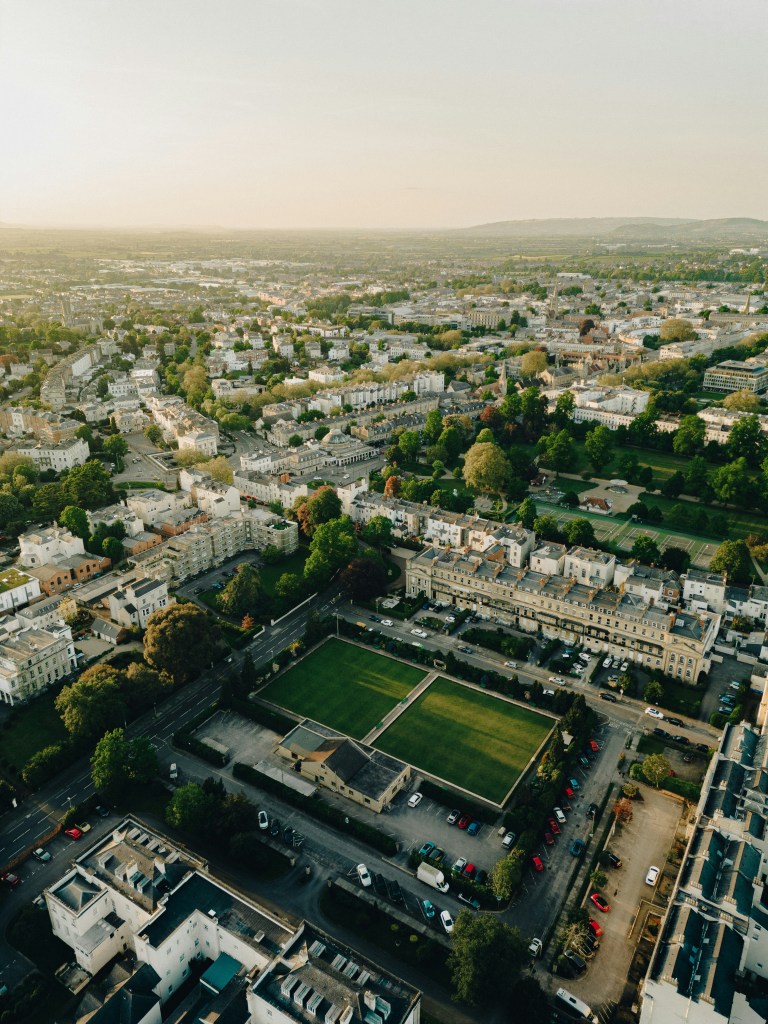
- Cheltenham – A Regency spa town with cultural attractions, excellent schools, and slightly longer but manageable London connections.
So, is it worth it?
For hybrid workers who only need to commute to London once or twice a week, the Cotswolds can be an incredible option. You get a better quality of life, more space, and a stronger community feel, all while keeping access to London’s career opportunities.
However, if your job requires frequent travel to London, the long journey and high train costs may be a deal-breaker. But for those who can make hybrid working work for them, the Cotswolds offers one of the best countryside escapes without losing touch with the capital.

 The Hattie