Renting out a spare room or annexe on Airbnb can be a great way to earn extra income, meet new people, and make the most of unused space. But before you dive in, it’s important to understand the pros and cons, legal requirements, and best practices to ensure a smooth and profitable experience.
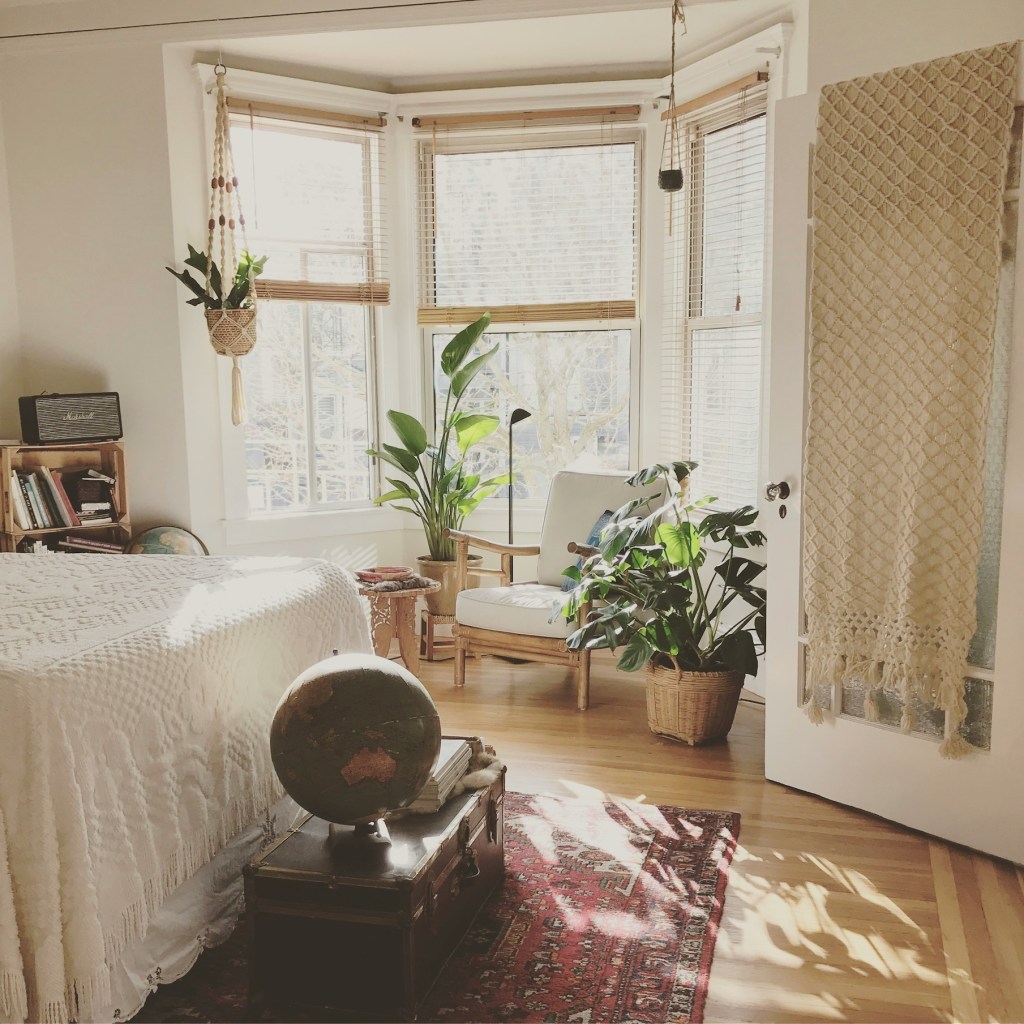
Why rent out your room on Airbnb?
Airbnb provides a flexible way to generate income from your home without committing to a long-term tenant. Whether you have a spare bedroom, a garden annexe, or even a converted garage, listing your space can help offset mortgage costs, pay bills, or fund holidays.
Some hosts rent seasonally, making use of extra space only when it’s convenient, while others treat it as a year-round business. Plus, if you enjoy meeting new people, hosting can be a great way to connect with travellers from around the world.
NEXT READ: 15 side hustle ideas for beginners
Pros and Cons of Hosting on Airbnb
Pros:
Extra Income – Earn money from your unused space.
Flexibility – Choose when to host and set your own availability.
Short-Term Commitment – No need for long-term tenancy agreements.
Meeting New People – A great way to interact with interesting guests.
Cons:
Time-Consuming – Managing bookings, cleaning, and communication takes effort.
Legal & Tax Considerations – You must comply with local regulations and declare earnings.
Wear and Tear – More guests mean more maintenance.
Potential for Difficult Guests – Most guests are great, but occasional issues can arise.
Tips for Advertising Your Space
1. Take high-quality photos
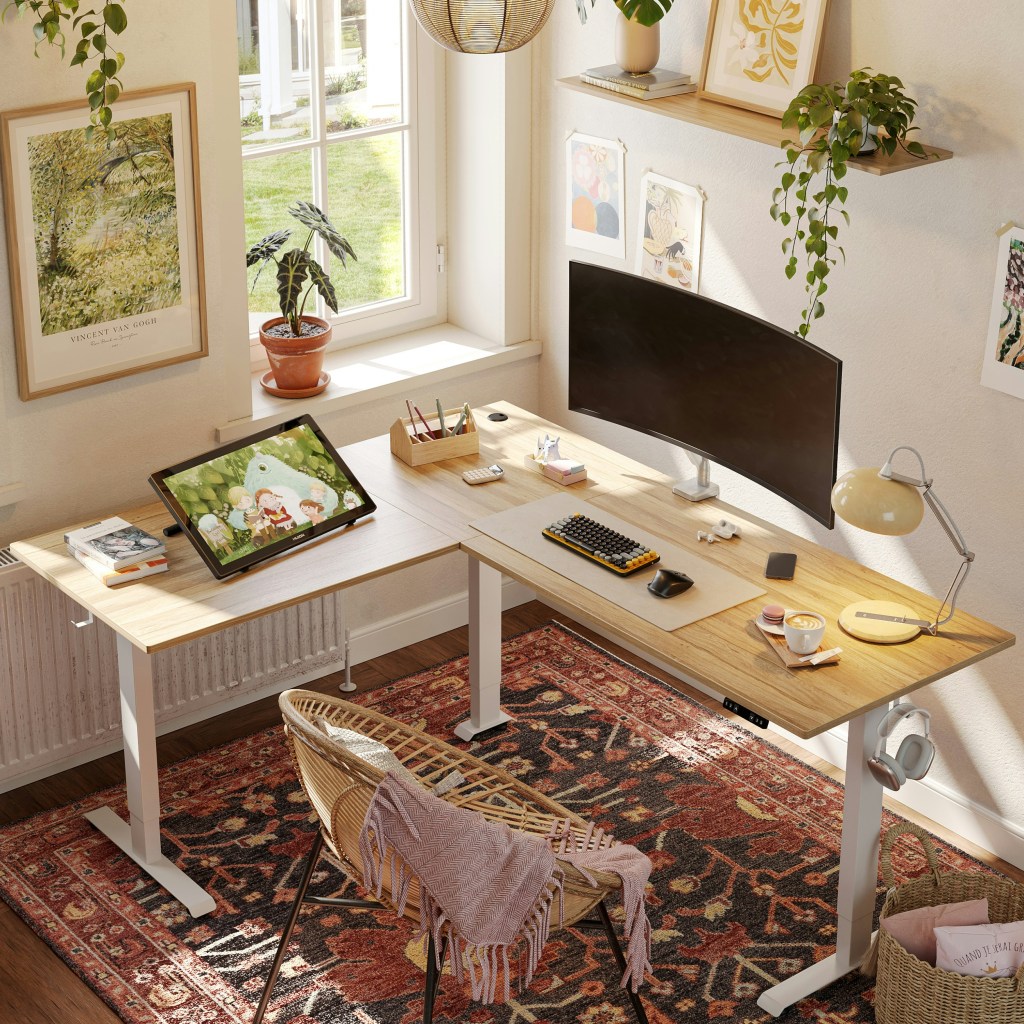
Good photos can make or break your listing. Ensure your space is well-lit, tidy, and inviting. Take photos from multiple angles and highlight key features like the size of the bed, a stylish workspace, or a private garden.
2. Write a compelling listing
Your description should be clear and engaging. Include details like:
- Size and layout of the space
- Amenities (WiFi, kitchen access, free parking, etc.)
- Nearby attractions or transport links
- Any house rules guests should follow
Keep it friendly but professional, and avoid exaggerating as honesty builds trust and leads to better reviews.
3. Set a competitive price
Check similar listings in your area to gauge the right price. Adjust rates based on demand, offering discounts for longer stays or off-peak bookings. Airbnb’s Smart Pricing tool can help, but don’t rely on it completely, keep an eye on market trends yourself!
4. Highlight what makes your space special
Do you have a beautiful view? A great location near a train station? A unique design? Mention anything that sets your listing apart. Guests often choose places with a personal touch.
How to be a great host (5-star reviews here we come!)
1. Keep your space spotless
Cleanliness is one of the biggest factors in receiving positive reviews. Either clean thoroughly yourself or hire a cleaner, especially if you have frequent bookings.
2. Provide essential amenities
Stock your space with the basics: fresh towels, toiletries, tea and coffee, and perhaps a small welcome treat. A few thoughtful touches can make a big difference in guest satisfaction.
3. Communicate clearly and promptly
Respond to guest inquiries quickly and provide clear instructions for check-in and check-out. A smooth, hassle-free experience will boost your reviews and increase bookings.
4. Set house rules and expectations
Avoid misunderstandings by being upfront about house rules. Common policies include:
- Quiet hours
- No smoking
- Check-in/check-out times
- Use of shared spaces
Make sure guests understand what’s allowed before they book.
5. Be aware of UK rules and regs
Before listing your space, check local regulations:
- Council restrictions: Some councils have rules on short-term lets. Check if you need planning permission.
- 90-Day Rule (London): In Greater London, you can only rent out your property for up to 90 nights per year without a planning permit.
- Insurance: Standard home insurance may not cover Airbnb hosting so consider if you need specialist cover.
- Taxes: Airbnb earnings are taxable, but you may qualify for the Rent a Room Scheme, which allows you to earn up to £7,500 tax-free per year from letting out a furnished room.
Hosting on Airbnb can be a fantastic way to make extra money and meet new people, but it requires effort and planning. By setting the right price, keeping your space welcoming, and staying on top of regulations, you can create a successful and stress-free hosting experience.


 The Hattie