Working from home for at least part of the week has become the norm for many professionals, offering flexibility and the comfort of a familiar environment. However, it also brings unique challenges, especially when it comes to boundaries. Without a clear separation between office and home life, the lines can become blurred, leading to overwork, distractions, or burnout.

The key to thriving while working remotely lies in setting clear, firm boundaries. Here’s how to do it effectively.
1. Create a dedicated workspace
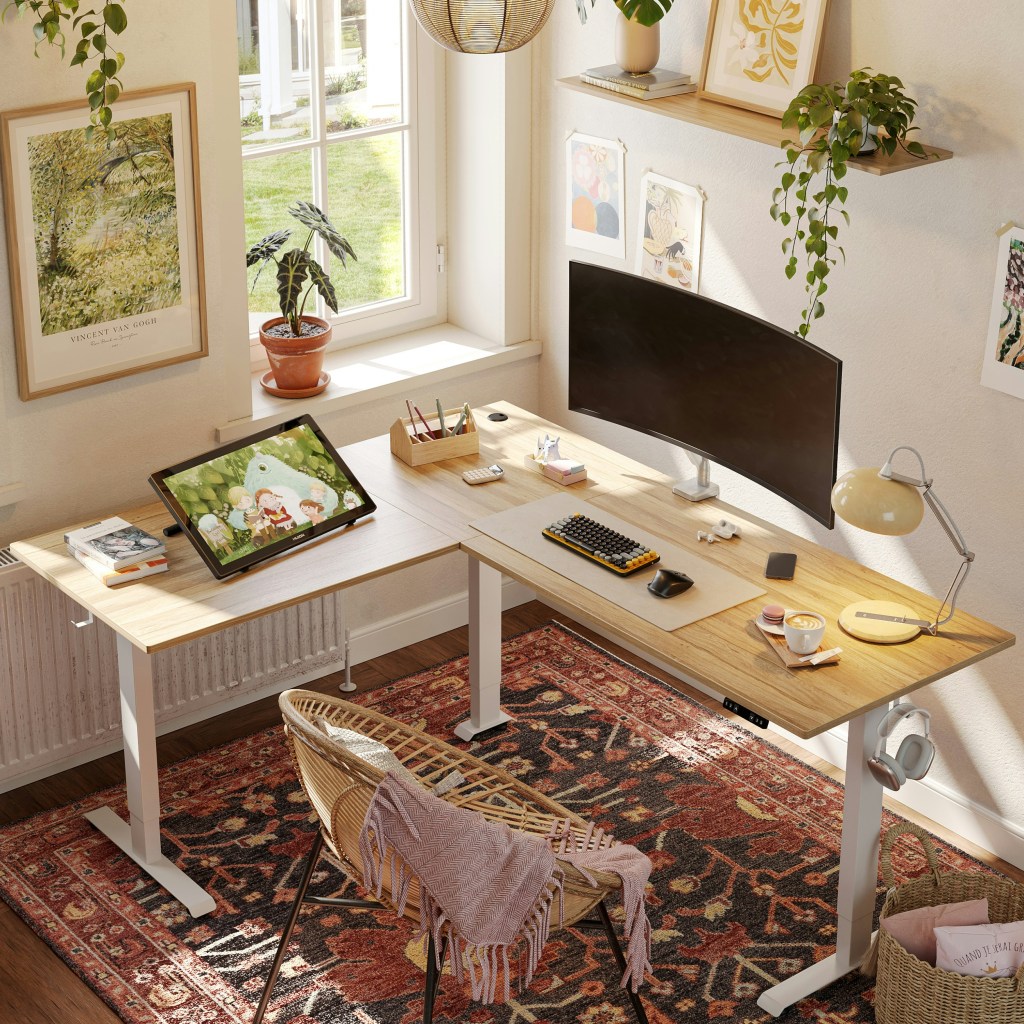
One of the most effective ways to establish boundaries is by designating a specific area of your home for work. Whether it’s a spare room, a corner of your living room, or a desk in your bedroom, having a defined workspace helps you mentally associate that spot with productivity.
When your workday is over, make a habit of leaving this space and avoid returning until it’s time to work again. This physical boundary reinforces the idea that work is separate from personal life, even if it’s under the same roof.
NEXT READ: 7 plants that will make your home office a happier and healthier place to be
2. Set clear work hours and stick to them
Without the structure of a commute or office hours, it’s easy to let your workday spill over into your evening or start earlier than intended. To prevent this, establish clear start and end times for your workday and communicate them to your employer, colleagues, and household.
Let your team know when you’ll be available to answer emails or take calls. Use tools like calendar apps to block off personal time and ensure others respect your schedule.
If you struggle to “switch off” after work, try setting up a ritual to mark the end of your day, such as closing your laptop, tidying your workspace, or taking a short walk.

3. Communicate with your household
When you’re working from home, family members might inadvertently disrupt you. To avoid interruptions, have an open conversation with the people you live with about your work schedule and the importance of respecting your focus time.
Consider using visual cues to signal when you’re in “work mode,” such as closing the door to your workspace, wearing headphones, or using a desk sign. For parents, this might also involve setting up activities to keep children occupied during your most important hours.
4. Learn to say no
One of the biggest challenges of remote work is the tendency to overcommit. With no clear boundaries between home and work, you might feel pressured to say yes to every request, whether it’s from your boss or family members.
Practice saying no when necessary. For work-related tasks, prioritise what’s most important and delegate or defer less urgent items. For personal obligations, politely explain your work commitments and offer to help outside of your working hours.
Saying no doesn’t mean you’re unwilling. It just means you’re protecting your time and energy.
5. Take regular breaks
Working from home can sometimes lead to forgetting to take breaks, especially if you’re hyper-focused on tasks. However, breaks are crucial for maintaining productivity and preventing burnout.
Schedule regular intervals to step away from your screen, stretch, and recharge. This could be a quick coffee break or a short walk.
6. Establish digital boundaries
Technology makes remote work possible, but it can also blur boundaries. Constant notifications from emails, messaging apps, and work platforms can make it feel like you’re “always on.”
How to set digital boundaries:
- Turn off work-related notifications after hours.
- Avoid checking emails during your personal time.
- Use separate devices for work and personal use, if possible.
This separation helps you maintain focus during work hours while fully disconnecting once you’ve clocked off.
7. Make time for yourself
Perhaps the most important boundary is the one you set with yourself. It’s easy to get caught up in the demands of work and neglect your well-being, but self-care is essential for long-term success.
Schedule time for hobbies, exercise and relaxation. Whether it’s reading, gardening, or joining a virtual exercise class, dedicating time to yourself ensures you stay refreshed and motivated.
Working from home has its advantages. But without proper boundaries, it can also become stressful. Setting boundaries isn’t just about saying no. It’s about creating a structure that allows for a balance between professional and personal life.



 The Hattie