For many, working in London offers unparalleled career opportunities, higher salaries and often the chance to work at the heart of your chosen industry. But with sky-high property prices and the fast-paced nature of city living, some are turning to an alternative lifestyle option; the extreme commute. Travelling over 90 minutes each way to work might sound like commuting hell, but with the rise of hybrid working and the lure of a better quality of life outside the capital, some workers are embracing the extreme commute.
But is it worth it?

Why choose an extreme commute?
One of the biggest factors driving extreme commuting is affordability. London has some of the highest living costs in the world and many workers have simply been priced out. Living further afield, commuters can access more affordable housing in scenic locations such as the Cotswolds, Norfolk, or the Kent coast. As well as lower house prices, areas outside of the traditional commuter belt often boast other reduced costs such as cheaper grocery shopping and council tax.
Quality of life is another key factor. Swapping the city for a rural or coastal home means greater access to green spaces, a slower pace of life and better education options. For many, the peace and tranquility of a picturesque village or charming market town far outweigh the potential discomfort of a longer commute into the city.
NEXT READ: 5 reasons hybrid workers should say goodbye to London
The role of hybrid working
The rise of hybrid working has been a game-changer for extreme commuters. Many companies now offer greater flexibility when it comes to office attendance, allowing employees to work from home several days a week and commute to the office only when necessary.
For someone living in Dorset or Suffolk, only having to commute two or three times a week drastically reduces the strain of a longer journey and makes creating a new life here a more achievable option.
The COVID-19 pandemic shifted perceptions of what a workday should look like, and for those in industries that have embraced remote work, the possibility of combining the perks of a London job with a countryside lifestyle has never been more achievable.
NEXT READ: 6 surprisingly rural towns with a direct commuter train to London
The downsides of extreme commuting
While there are clear advantages, an extreme commute isn’t for everyone. The most obvious downside is time. Spending over three hours a day travelling to and from work leaves less time for family, hobbies, and relaxation. Even with hybrid working, the commute days can feel exhausting.
The cost of commuting is another consideration. Train fares for long distances can run into thousands of pounds annually, particularly if you’re commuting from further-flung regions. Season tickets, parking, and other travel-related expenses add up quickly, potentially offsetting the savings on housing.
Additionally, long commutes can take a toll on mental and physical health. Sitting for extended periods on crowded trains, dealing with delays, or navigating busy roads can lead to increased stress levels.
Is an extreme commute right for you?
Deciding whether to take on an extreme commute depends on your priorities. If career progression, a London salary, and a better quality of life outside the city are at the top of your list, it could be a worthwhile trade-off. However, you’ll need to weigh the financial and time investments carefully.
For those considering it, planning is key. Explore your transport options, calculate the full cost of commuting, and think about how hybrid working arrangements could make the lifestyle more feasible. It’s also worth considering whether your employer is supportive of flexible arrangements, as this could make or break the experience.
NEXT READ: 6 idyllic villages and towns to move to with a train link to London
The best of both worlds?
Ultimately, extreme commuting is a way to bridge the gap between urban opportunities and rural living. With careful planning, the right mindset, and support from your employer, it’s possible to enjoy the best of both worlds: a fulfilling career in London and a peaceful, affordable home far beyond the city limits.
Would you take the plunge?

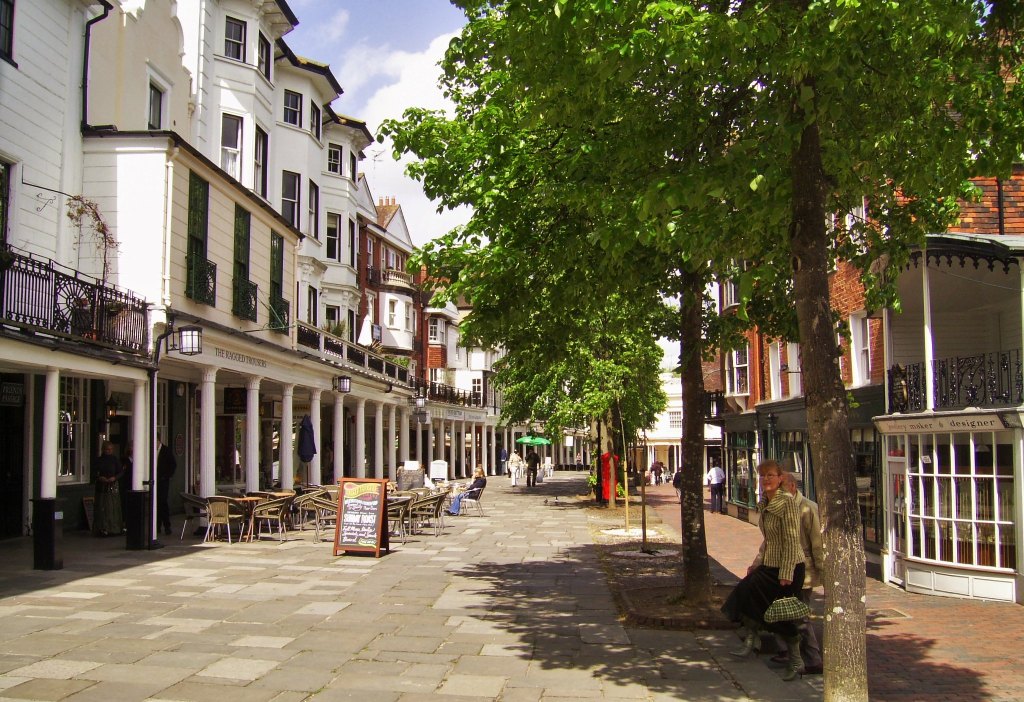


 The Hattie