It’s clear that hybrid working is here to stay. The Office for National Statistics has identified a gradual increase in hybrid working since the pandemic, demonstrating its establishment as a preferred mode of working. With many people now working at least a few days a week at home, more and more are seeking to create a designated working space in their house. But is it worth going the extra mile to create a new office space?
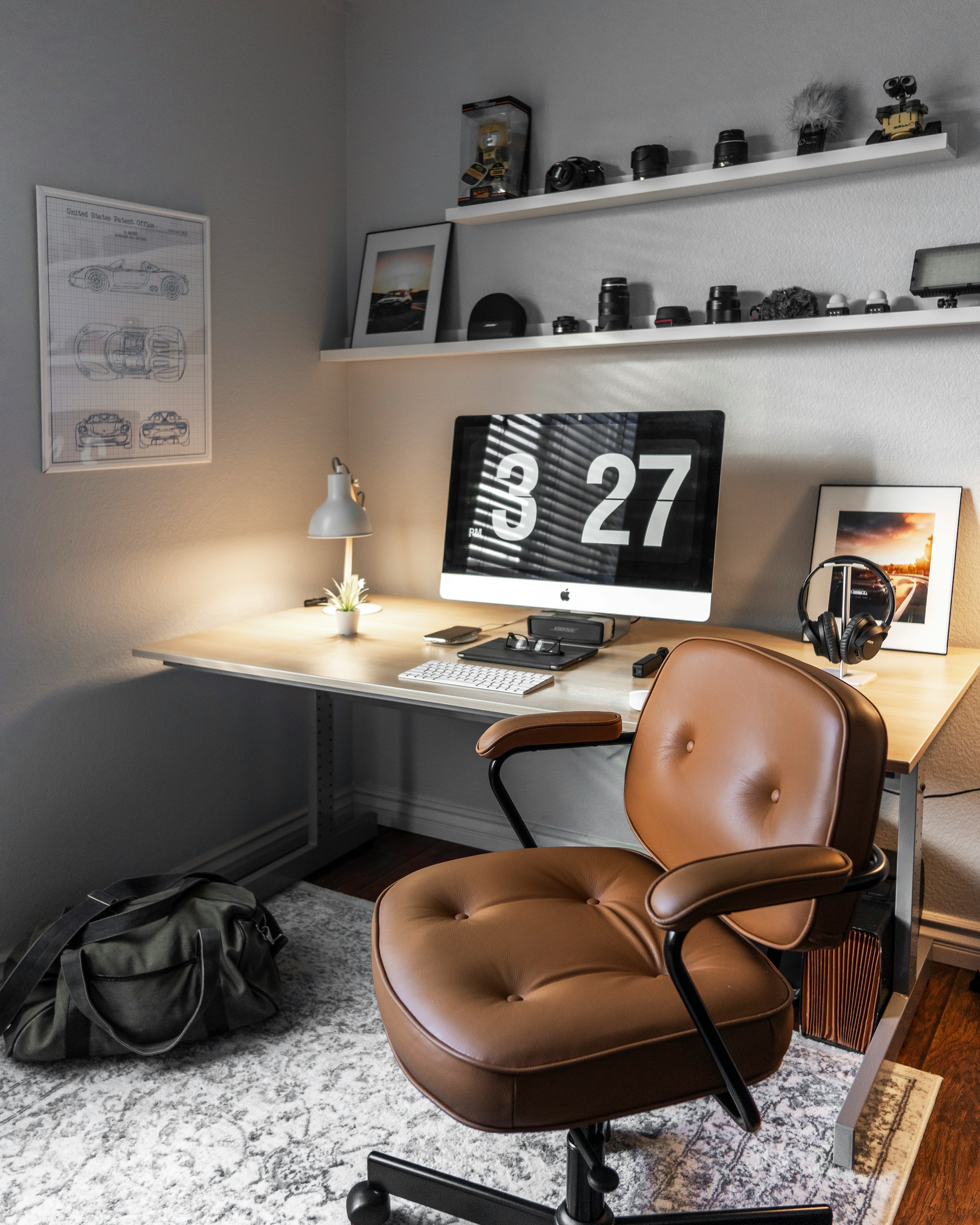
What are the benefits of having a home office?
There are several key advantages to creating a designated office space. Sharing a room with other family members or having other activities going on around you can be distracting and can make it tricky to carry out tasks such as taking video calls. Without a separation between home and work life, some workers can also find it hard to switch off at the end of the day and may even find themselves working longer hours. A permanent office space also enables you to better organise the ergonomics of your workspace, helping you to avoid problems with posture and associated neck and back pain that can come with desk work.
NEXT READ: What are the planning rules around converting your loft into a home office?
Does an office conversion add value?
The answer to this question depends on the sort of office conversion you’re planning. If you simply designate an existing bedroom as a home office then this is unlikely to add much value to your home, although it may help any future buyers envisage their own hybrid working lifestyle in your house. Adding additional usable floorspace to your home is the best way to add value to your home, so you might want to consider one of the following options to achieve your dream workspace.
Create an office by converting your loft
Converting your loft into an office is a great way to maximise space that might otherwise be underutilised. A well designed loft room that makes good use of velux or dormer windows can result in a bright space tucked away from the daily comings and goings of your home, making it an effective working space. On the downside, loft conversions involve major structural work and can get expensive. However, a successful conversion could add between 10 and 20% to the value of your home. Adding a bathroom is highly recommended to maximise the added value by making your loft room a more versatile space.
NEXT READ: How to convert your loft into a home office (and should you do it)
Convert your garage into a home office
Generally cheaper than a loft conversion, garages can make great office spaces once converted. As an existing structure, it’s rare that a garage conversion will require planning permission, although it must still meet building regulations. If you don’t own a car then converting a garage is a sensible use of a space that might otherwise go to waste. A well-designed office conversion could add 10% to the value of your home but if you lack any other parking space then this might turn off any future buyers.
Build an office in your garden
Garden offices are an increasingly popular way to create a workspace separate from your living space. They can be quick to install compared with converting a loft or garage and usually don’t require planning permission if they meet certain criteria. If you’re planning a garden office, ensure it has suitable insulation and heating to make it a comfortable space year round. A garden office can add a real ‘wow factor’ to your property and could add between 5 and 10% to the value of your home.
The Upshot
In short, creating an office space for your home can add value because it involves creating additional usable floorspace. Whether you opt for a loft conversion, garage conversion, or garden office will depend on your budget, space and individual needs.



 The Hattie