You can hardly move in London without tripping over jaw-dropping historical sites. The city draws millions of visitors from across the globe every year with attractions such as the Tower of London, Buckingham Palace, the Houses of Parliament and museums such as the British Museum and Imperial War Museum. But London isn’t the only destination where history fans can get their fix. So if you’re planning a weekend break with a historical flavour, we’ve gathered some of the best options:
1. Bath
What to see
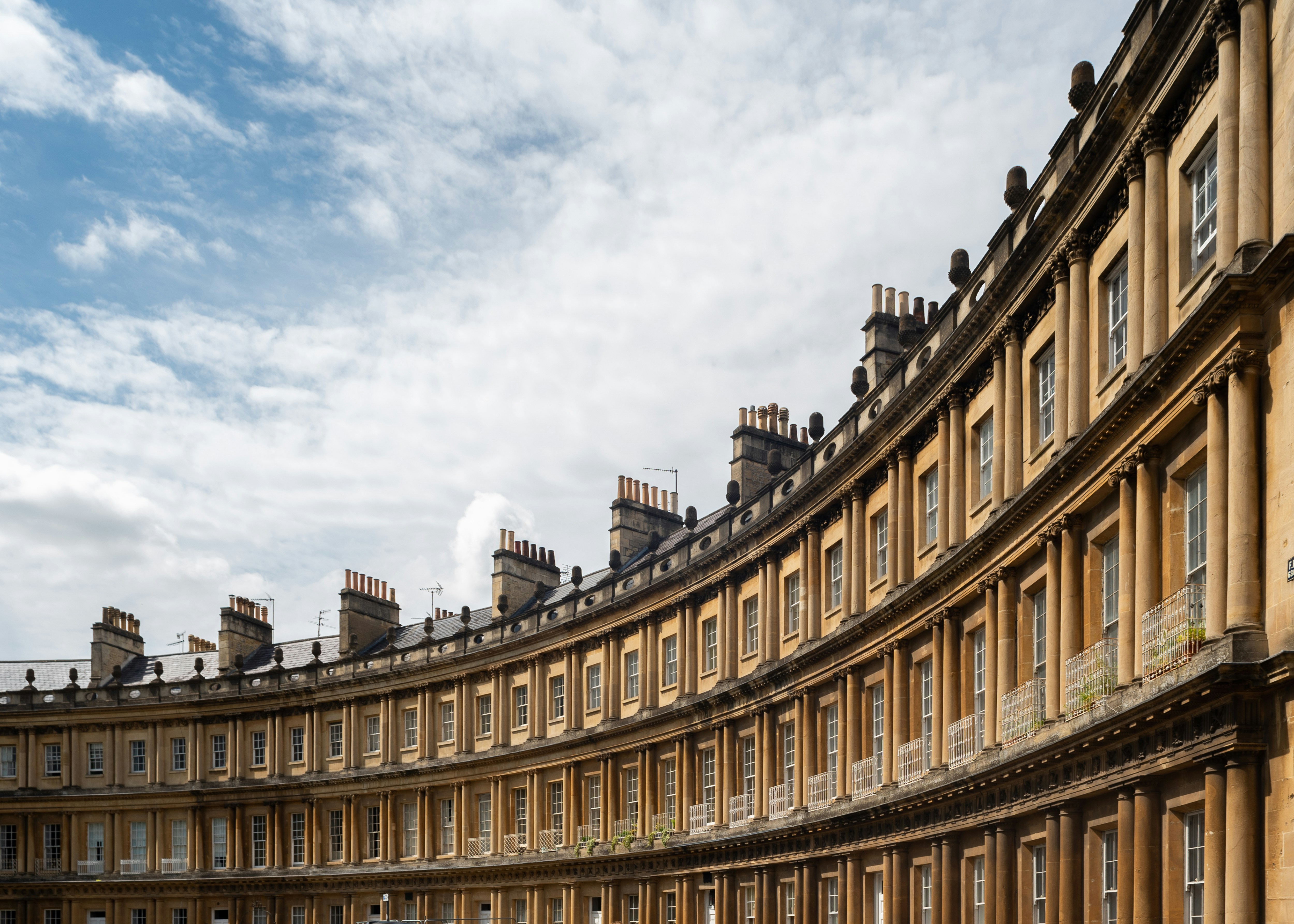
First stop has to be a tour of the ancient Roman Baths. Then admire the magnificent architecture of the Royal Crescent and step inside the lavish No.1 Royal Crescent to discover how the wealthiest in Georgian Britain lived. Or take in some literary history with a visit to the Jane Austen Centre to learn about the society that inspired her timeless novels.
Where to stay
The Bath Priory Hotel is housed in a grand residence built in 1835 and offers a peaceful escape from the hubbub of the city, which can be accessed easily by a short walk across Royal Victoria Park.
How to get there
About 2.5 hours by road. Regular trains link Bath to London Paddington in approximately 1.5 hours.
2. Canterbury
What to see
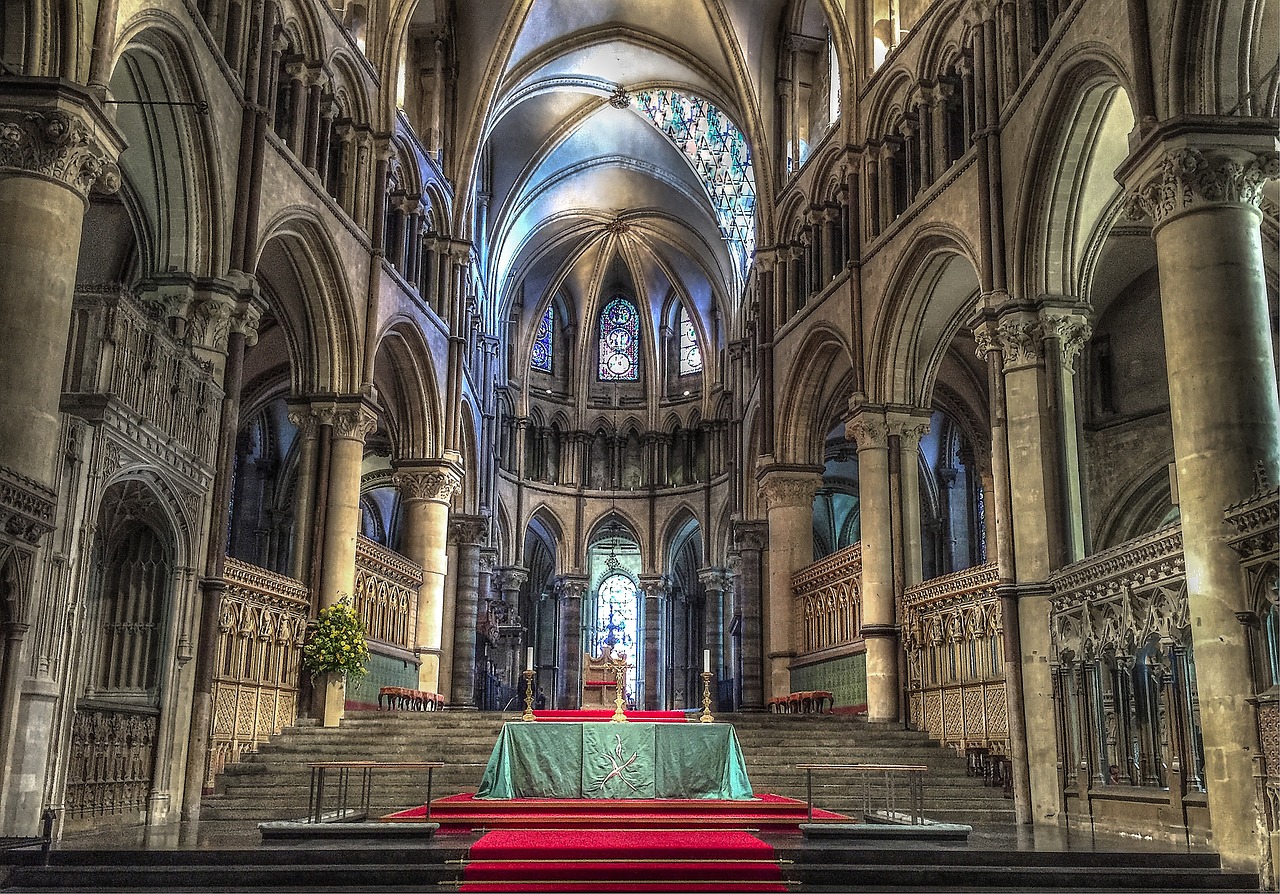
Begin with the UNESCO World Heritage Site of Canterbury Cathedral. Founded in 597 AD, Canterbury Cathedral has witnessed monumental change and upheaval through its history including the murder of Thomas Becket in 1170 inside the cathedral itself. Climb the largest medieval gatehouse in England at the Westgate Towers Museum and enjoy views across the city. A new Canterbury Tales Experience is due to open in 2025, providing an immersive exploration of Geoffrey Chaucer’s medieval tales featuring virtual reality technology.
NEXT READ: 8 romantic weekend breaks less than two hours from London by train.
Where to stay
Occupying an historic coaching inn dating from 1403, the Falstaff offers tasteful accommodation minutes from the city’s main attractions.
How to get there
About 1.5 hours by road. Trains from London St Pancras take just under an hour.
3. Salisbury
What to see
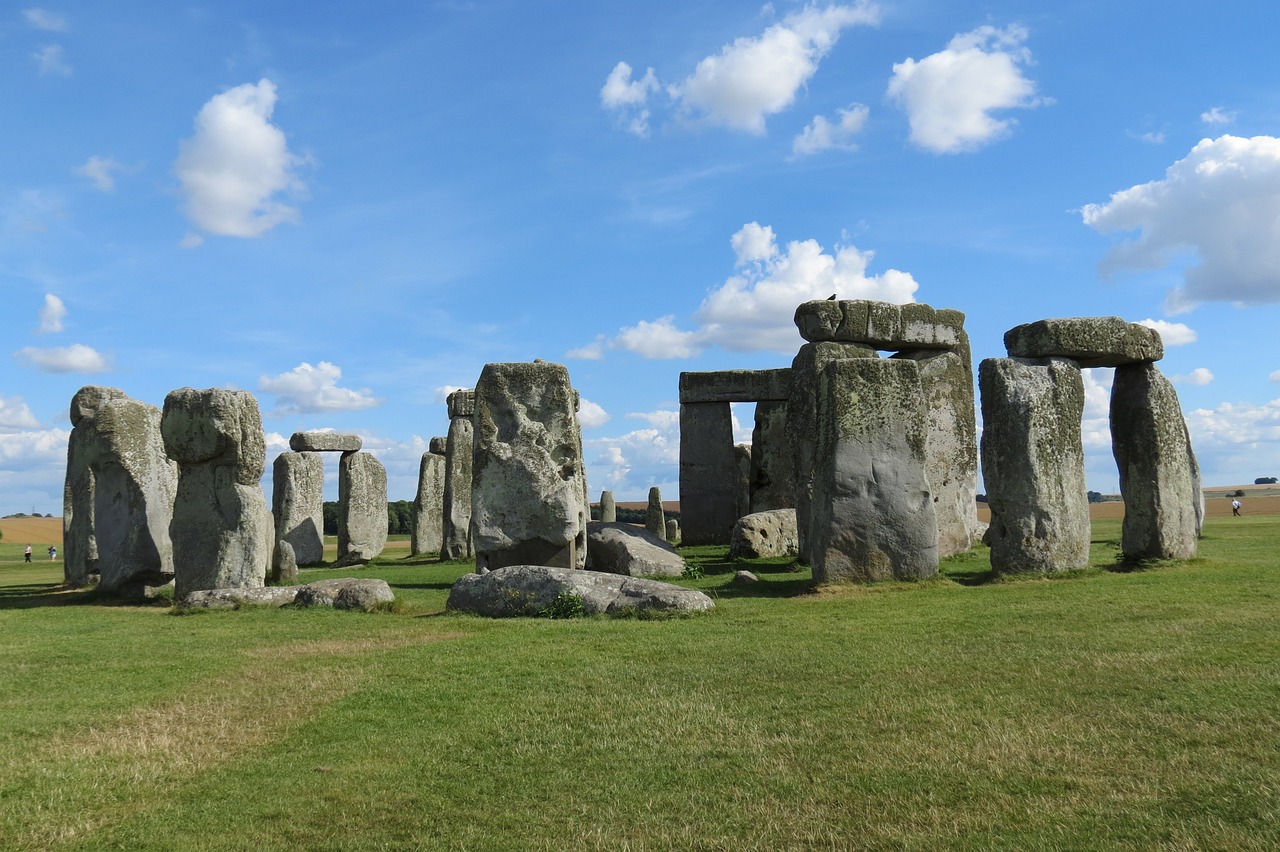
It may boast Britain’s tallest spire, but remarkable architecture isn’t the only draw for history lovers to Salisbury Cathedral. The cathedral also houses the world’s oldest mechanical clock plus the best preserved original copy of the Magna Carta, the landmark document from 1215 that declared the king and government cannot stand above the law. Those travelling by car can also take the 20 minute drive from Salisbury to the iconic Stonehenge, the best-known prehistoric monument in Europe.
Where to stay
The Red Lion Hotel boasts the title of Europe’s oldest purpose built hotel and has been welcoming guests for 800 years.
How to get there
By road approximately 2.5 hours. Direct trains from London Waterloo in 1.5 hours.
4. York
What to see
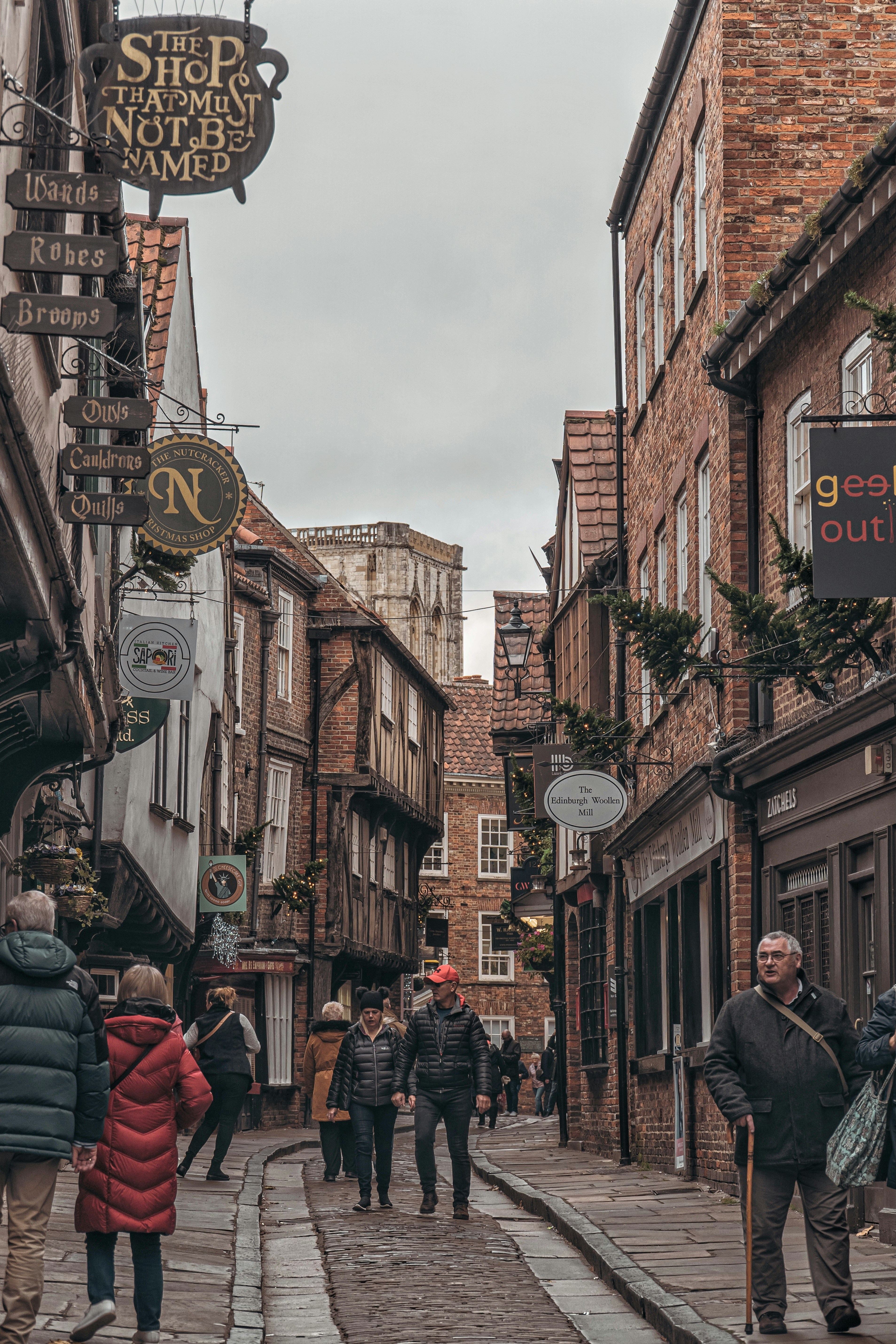
Uncover York’s Viking history with an interactive ride through the Jorvik Centre. Then walk the city’s beautifully preserved medieval walls. At 3.4km, they’re the longest city walls in England. Complete your visit with a stop in the iconic Shambles, a medieval shopping street featuring iconic overhanging buildings. Believed to have inspired Diagon alley in Harry Potter, this is a must-see for any history lover.
Where to stay
Travelling as a group? Rent the Grade I listed Lendal Tower, a unique accommodation in York dating back 700 years. Alternatively, check in to the Guy Fawkes Inn, a medieval building in the shadow of York Minster.
How to get there
By road over 4 hours. Trains from Kings Cross in just under 2 hours.
5. Dover
What to see
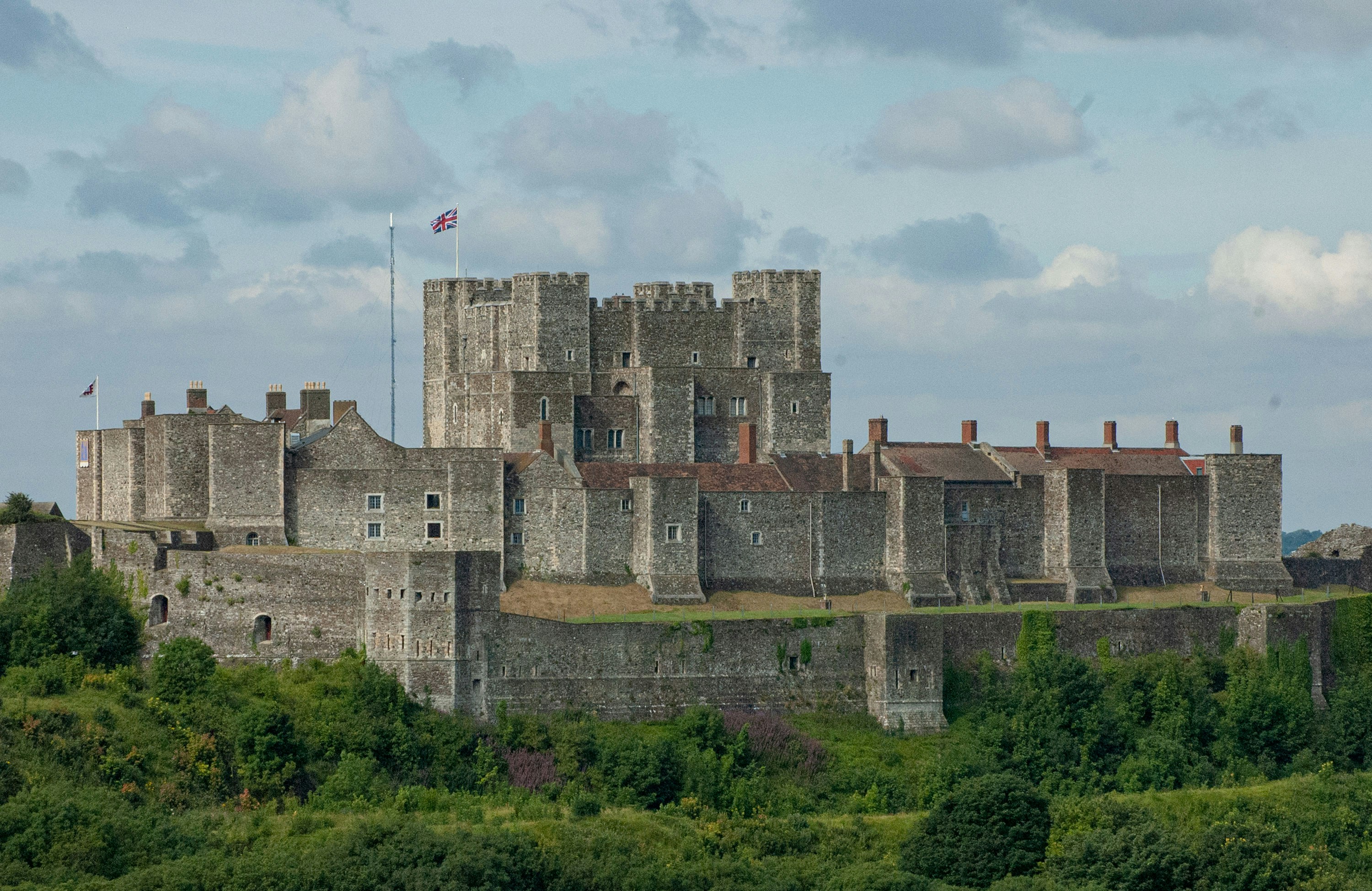
Dover Castle has stood guard over the English Channel for 800 years. Its fortifications were extended during the Napoleonic Wars to defend against French invasion. But it has a more recent history too; a labyrinth of medieval tunnels beneath the castle were used for secret planning during the Second World War and the evacuation from Dunkirk was masterminded from here. After exploring the castle, venture out for a walk along the famous White Cliffs, used as a natural defence and lookout point for centuries.
Where to stay
The 17th century Lantern Inn is located five miles outside Dover and offers a two-bedroom apartment with quirky furnishings.
How to get there
By road approximately 2 hours. Regular trains from London St Pancras in 75 mins.
6. Stratford upon Avon
What to see
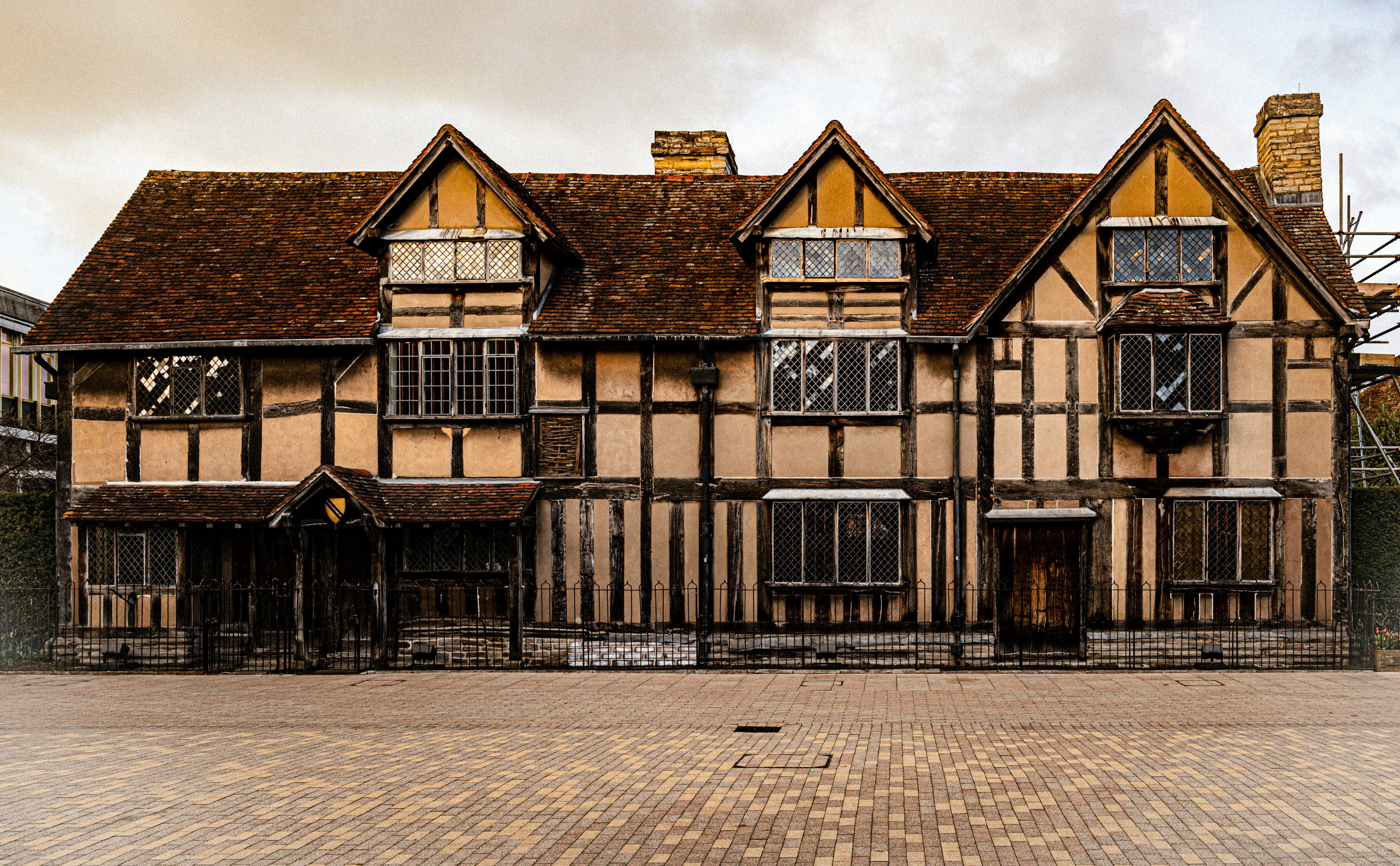
Follow in the footsteps of Stratford’s famous son William Shakespeare. Visit his birthplace and learn about his family life. Then walk a few streets over to his schoolroom. On the edge of the town is the cottage of Anne Hathaway, Shakespeare’s future wife. Finally, take a tour of the Royal Shakespeare Theatre, where his great works are performed throughout the year, and walk a short distance along the river to Holy Trinity Church where he is buried.
Where to stay
The 18th century Hotel du Vin offers chic accommodation in the heart of Stratford.
How to get there
By road in approximately 1 hour 20 minutes. By train from Marylebone with a change at Leamington Spa in just over 2 hours.
7. Winchester
What to see
Marvel at the city’s magnificent cathedral, which dates back to the 11th century. It houses the Winchester Bible, a beautiful illuminated manuscript. Next, explore the Great Hall, a 13th century structure that once formed part of Winchester Castle. On display is the famous Round Table, linked with King Arthur. The table is in fact medieval but it represents Winchester’s strong connection with myth and legend. Winchester’s military quarter hosts a collection of military museums including one dedicated to the Gurkhas, elite soldiers from Nepal who have served with the British Army for over 200 years.
NEXT READ: Why this ancient city might be your cue to leave London.
Where to stay
The Wykeham Arms is a cosy pub dating back to 1755. Lord Nelson himself is said to have stayed here!
How to get here
By road in approximately 1 hour 45 mins. Regular trains from London Waterloo in just under one hour.

8. Lincoln
What to see
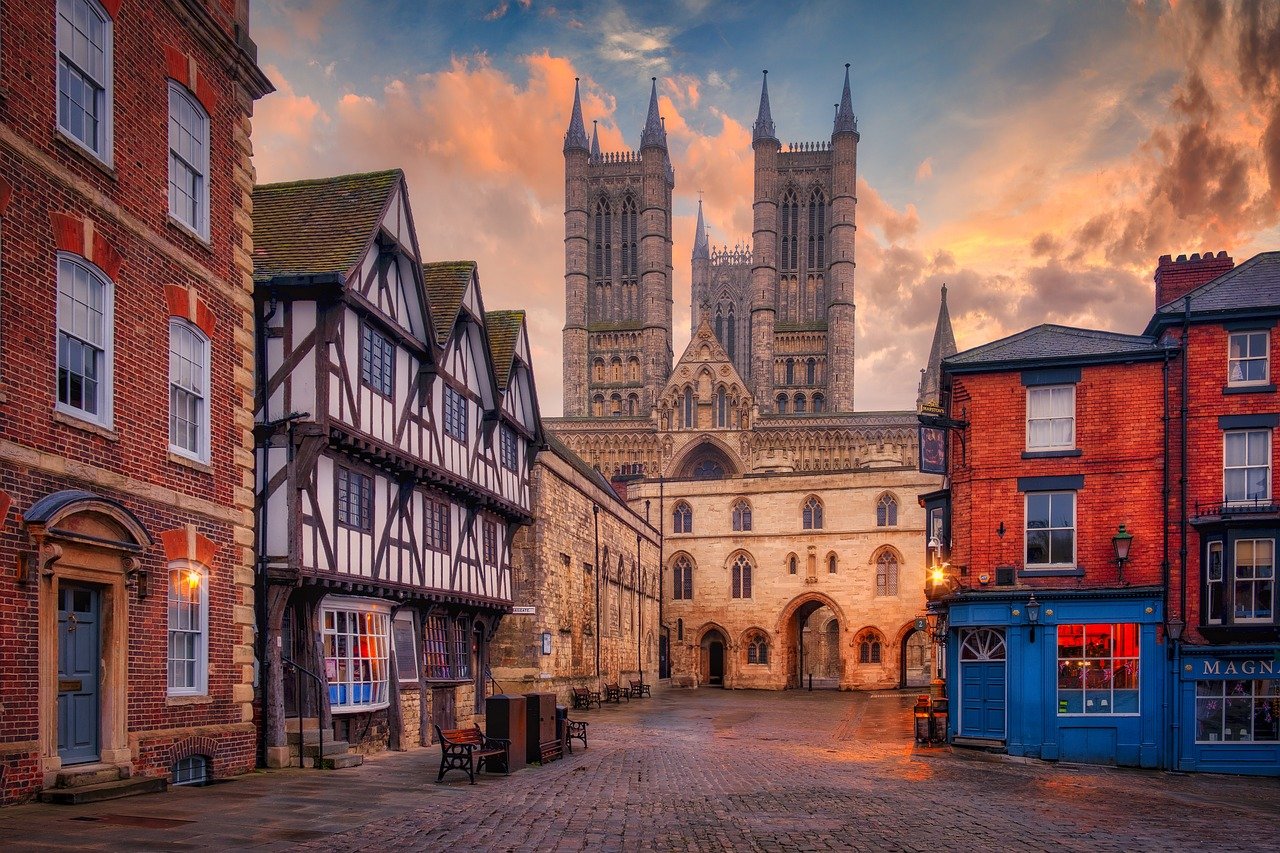
After taking a moment to marvel at Lincoln Cathedral, once the tallest building in the world (until its spire collapsed in a storm in 1549) cross the top of Steep Hill to explore Lincoln Castle. Home to one of only four surviving copies of the Magna Carta (Canterbury, also on this list, houses another!) Lincoln Castle has fulfilled several roles in its history, including a prison and courthouse, making it a particularly interesting stop. The Victorian prison gives a fascinating insight into the penal system of the time. Watch your step as you descend the historic Steep Hill, which as the name suggests is rather steep!
Where to stay
Housed in a 14th century building, the White Hart hotel paid host to the engineers who designed the first British tank during the First World War (ask to visit the Tank Room).
How to get there
By road in just over 3 hours. Direct trains from London Kings Cross in just under two hours.
9. Oxford
What to see
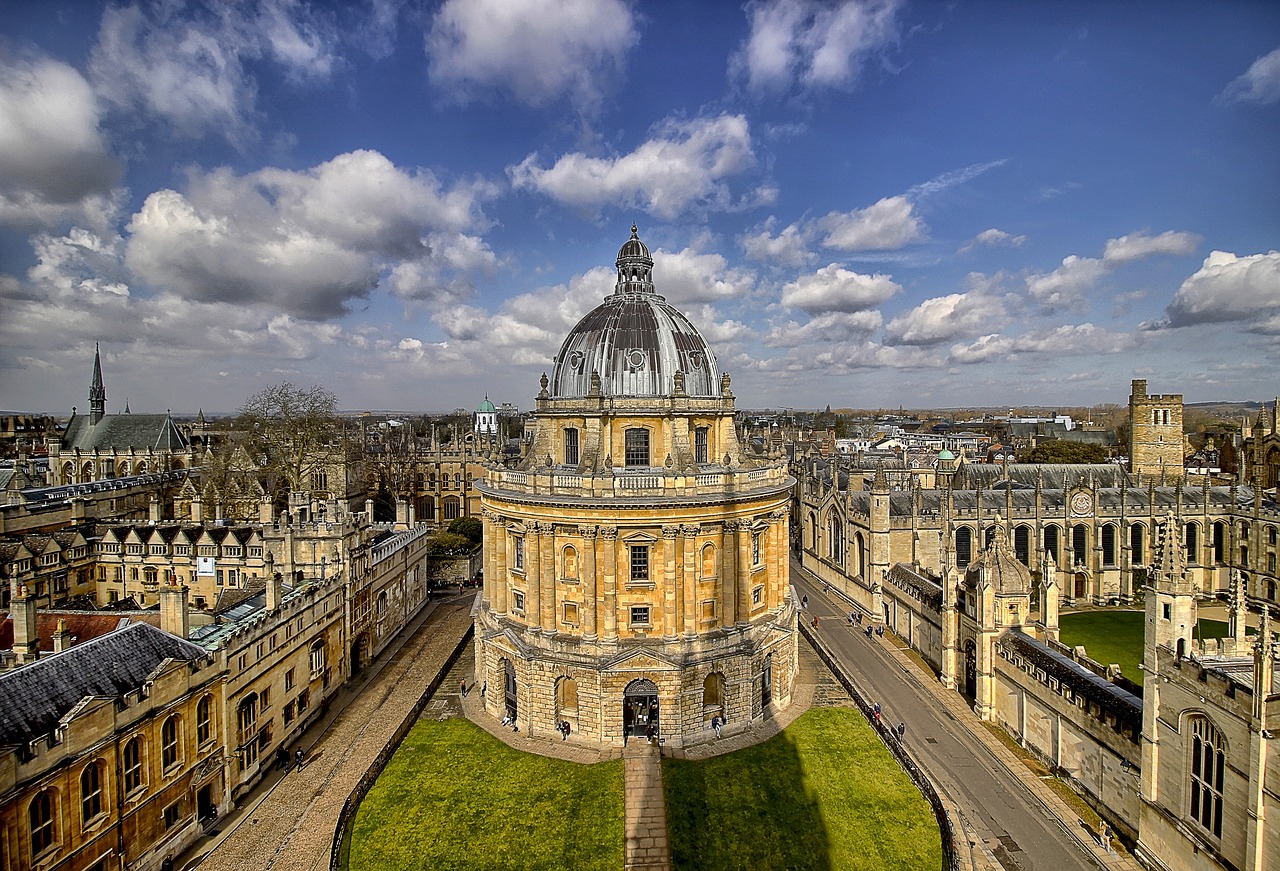
Tour the city’s many historic colleges, including Christ Church, which featured in the Harry Potter films. Then dive into the city’s many world-famous museums and buildings, including the Bodleian Library, one of the oldest in Europe; the Ashmolean Museum, home to many Egyptian artifacts; and the unique Pitt Rivers Museum. Take the twenty minute drive by car or on the bus to the nearby Blenheim Palace, a masterpiece of 18th century architecture and the birthplace of Winston Churchill.
Where to stay
The Malmaison Oxford offers a unique stay in a former prison. Don’t worry the cells have been converted into chic hotel rooms with all modern amenities!
How to get there
By road in 1 hour 45 minutes. Direct trains from London Paddington in 50 minutes.


 The Hattie