Since 2020, many more people have found themselves working from home for at least part of their week. The need to separate work from home has led many to seek out a designated office space. But what if there are no rooms to spare? One solution could be a loft conversion. But what are the options, and how do you go about it?
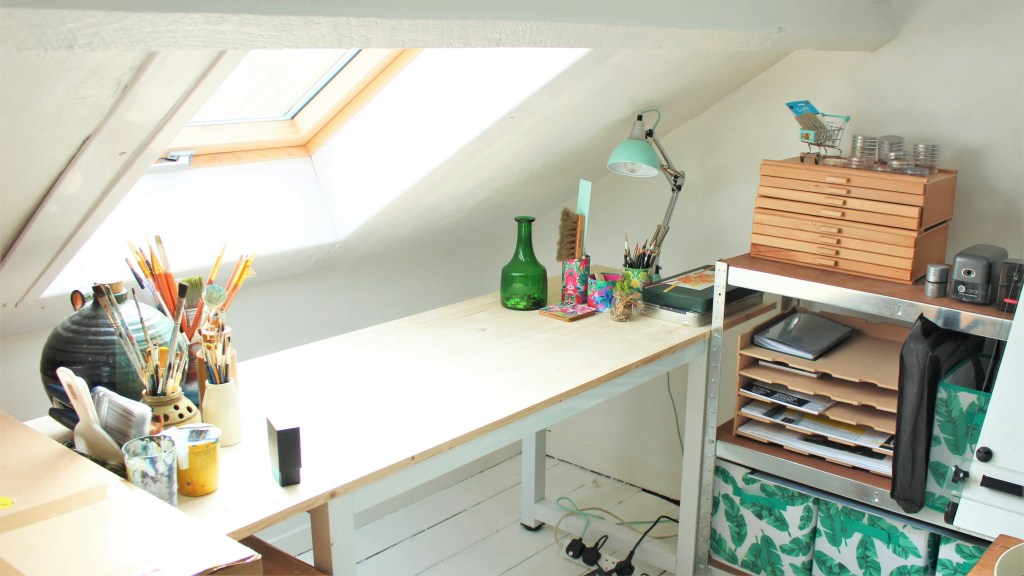
Is my house suitable for a loft conversion?
Suitability boils down to one fundamental consideration; headroom. The height of your loft from floor to the roof gable should be comfortably over 2 metres to allow for sufficient clearance.
The second major factor is the positioning of a staircase for your new loft room. Any staircase must have a minimum headroom of 1.9 metres so you’ll need to consider this as part of your plans. A structural engineer can advise on options such as lowering floors but this could add significantly to your costs.
NEXT READ: Do you need planning permission for a garden office?
What style of loft conversion is best?
The style of lost conversion you choose will depend on three factors:
- The style of your house
- The amount of space you want to create
- Your budget
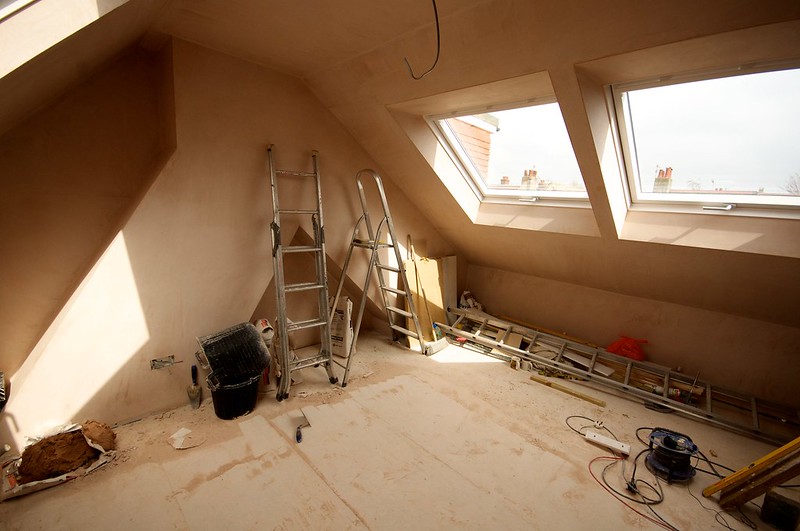
The main types of loft conversion are:
- Roof lights: This is the simplest and most cost effective option. It involves adding roof light windows to your existing roof to provide light and ventilation for your new room. It requires the minimum amount of structural work and has a limited impact on the outward appearance of your home. However this option will not add any additional headroom, and therefore usable floorspace to your existing loft area. So be sure to check your loft is large enough to function as your office. Planning permission is not usually required for a loft conversion of this type, however it must conform to building regulations.
- Dormer: A dormer conversion involves extending the roof out to the side to create an additional area of maximum headroom in your loft. You can opt to include multiple smaller dormers for a more traditional look, or to run a single dormer the length of your roof-space. This is a more expensive option than the roof light design but the result could give you substantially more space for your office. Again, it is unlikely that you will require planning permission for a dormer conversion. The cost will depend on the style of dormer you choose.
- Hip to gable: A hipped roof is one that slopes down on all sides. To maximise the space available for a loft room in this style of house, a hip to gable conversion is recommended. This involves turning one or more of the sloping roofs into a vertical gable end. The resulting loft space can be substantial but the cost of this work is also likely to be higher than other options. A hip to gable conversion may also require planning permission due to the changes made to the outward appearance of the house.
How much can a loft conversion add to a property’s value?
Yes, a loft conversion will likely add value to your home. A report by Nationwide in 2023 claimed that increasing the floor area of your home could add up to 25% to its value. How much value is added depends on the nature of your loft conversion. The Nationwide report suggested that a double bedroom and ensuite bathroom would have the biggest impact on your home’s value. So if you’re looking to add an office space in your loft, maybe consider adding a bathroom as well to create a more versatile space.

How much will a loft conversion cost?
The cost of your new loft conversion will depend on many factors, not least the style of conversion you choose, as summarised earlier. According to MyBuilder the average cost of a loft conversion can range from £22,500 for a basic roof window style up to £80,000+ for a more complex project. MyBuilder also flags additional costs you may incur such as moving a water tank or carrying out a bat survey.
So, should I convert my loft?
Converting your loft could provide a bright and versatile space for your home office. An office in the loft provides a degree of separation from other living spaces in your home. It also takes you away from the busier or noisier areas of the house. A loft conversion will be a considerable expense but it could also add value to your house which can recoup at a later date. But if you don’t feel now is the right time to splurge on an office loft then there are plenty of other things you can do to create a dedicated work space.


 The Hattie