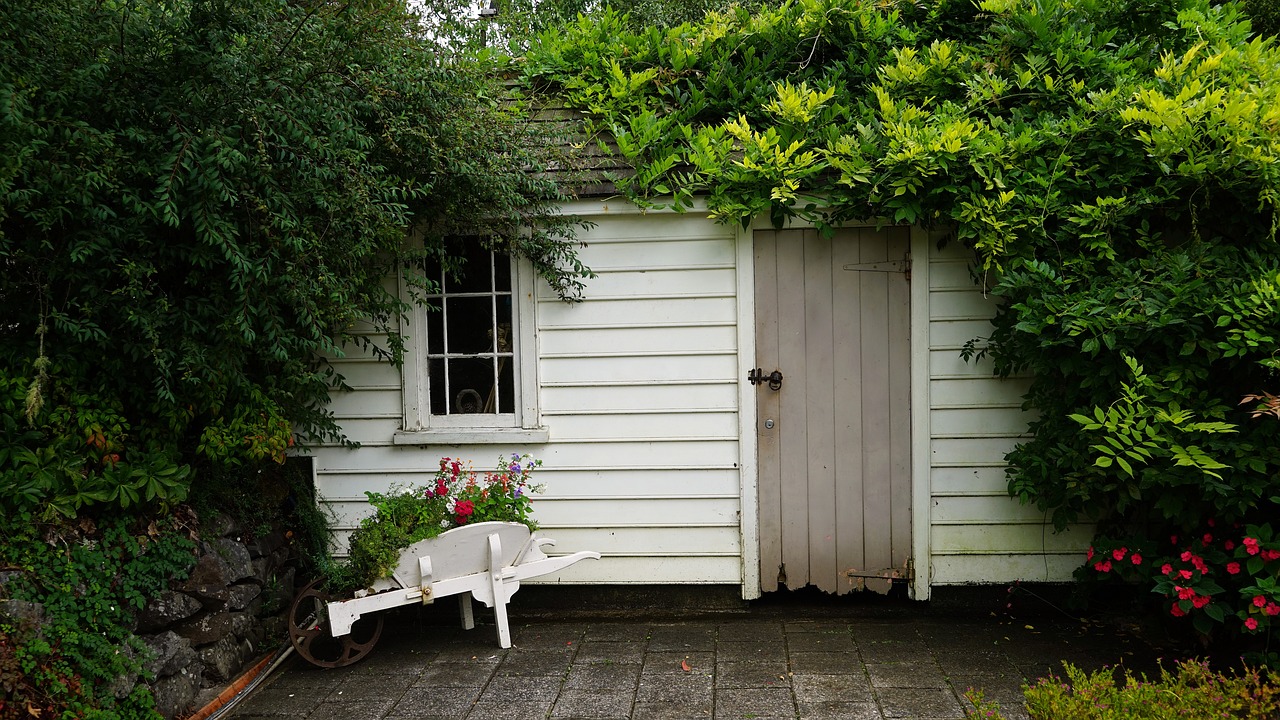
A mouldy greenhouse or a weather-beaten shed used to be the most common garden buildings. But in recent years, the growing trend for so-called garden rooms has seen offices, gyms and bars popping up at the bottom of gardens across the country.

For many hybrid workers, an office in the garden offers the perfect solution to separate work from home life, without adding too much to the commute! But what are the rules and regulations around building your own garden work pad?
Does a garden room come under permitted development?
Yes, in most cases a garden room comes under permitted development. Under planning permission rules, as set out in the Planning Portal, garden rooms are classed as outbuildings and provided they fit within certain restrictions do not require planning permission.
NEXT READ: How to convert your loft into a home office (and should you do it?)
How big can a garden room be under permitted development rules?
There are limitations on the size and height of your garden room to qualify as permitted development, so make sure you take this into account when planning your office. The restrictions are as follows:
- Your garden office cannot be located to the side or in front of your home.
- Your garden office must be single storey
- The eves of your building must be no more than 2.5 metres high. If your building has a pitched roof then it can be no more than 4 metres high overall or 3 metres with any other type of roof.
- If your garden office is within 2 metres of your garden boundary then it can be a maximum of 2.5 metres tall.
- In terms of overall size, your garden office cannot take up more than half the total land around your house.
- Your garden office cannot include any balconies or raised stages. Any verandah in front of your office can be no higher than 300mm.
There are additional exceptions to these rules. If your home is listed then you will require planning permission for any outbuilding, regardless of whether it meets the above requirements or not. If you live in a flat or maisonette then permitted development rights do not apply.
How to get electricity to a garden office
For added comfort and practicality, your garden office will require an electricity supply. This involves running a cable underground from your house to your garden room, which will be fitted with sockets. This work must be completed by a qualified electrician in order to meet regulations (although you can save money by digging the trench for the cable yourself!).
Electricity isn’t the only feature to consider; underfloor heating, kitchen facilities or plumbing for a W.C. are also options for your garden office.
However, remember that to qualify under permitted development, your office must be considered an incidental building. This means you cannot use it to operate a business or for someone to sleep in.
How to design the interior of a garden office
This is the really fun bit, getting the interior of your garden office just right. There are a few things to bear in mind:
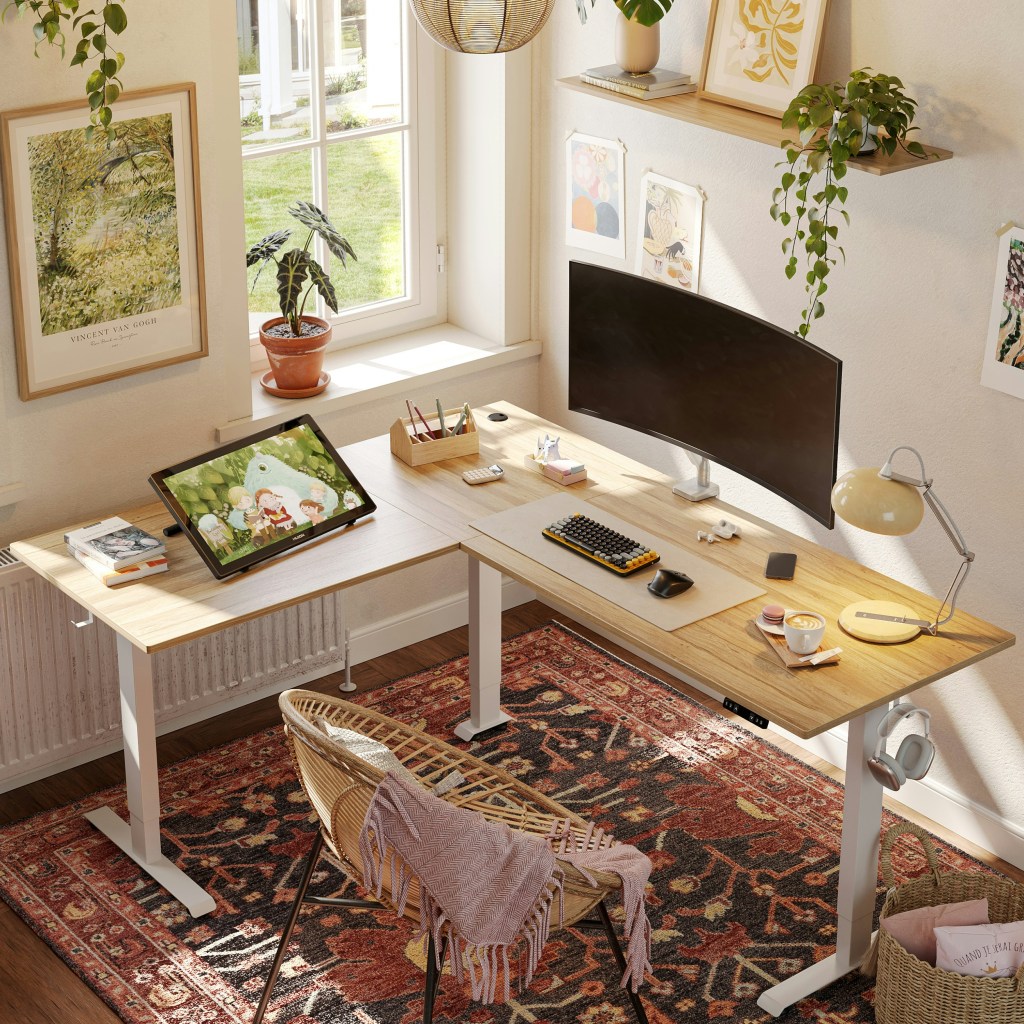
- Lighting: Plan your lighting carefully, avoid screen glare and ensure you’re well lit for any video calls. Monitor the natural light to help you decide whether blinds are required to avoid harsh direct light.
- Desk: Consider where to place your desk to make the most of natural light and a pleasant view of your garden. Think about whether you would prefer a built-in desk with storage or have the option to move your desk around.
- Speaking of storage: Be smart with your storage options. Don’t overfill your office with furniture, consider integrated storage to maintain a clean and airy feel.


 The Hattie